


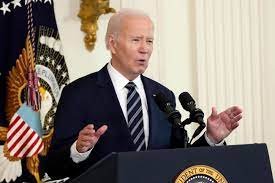
The United States government has taken a momentous step by issuing a ‘landmark Executive Order’ (EO) to address the challenges and opportunities associated with artificial intelligence (AI). This comprehensive EO not only sets forth new guidelines for safeguarding citizens’ privacy but also signals the country’s intent to attract global AI talent.
The primary objective of this EO is to promote innovation and attract top AI talent to the United States. To achieve this, it plans to leverage existing authorities to facilitate the entry and stay of highly skilled immigrants and non-immigrants with expertise in AI. This will involve modernizing and streamlining visa criteria, interviews, and reviews.
Impact of the Executive Order on Immigration
Experts suggest that this move is likely to benefit Indian IT professionals in the United States, leading to faster processing of visas such as H1B, O-1, F1, and Green Card applications for work and study in AI-related fields. Changes are anticipated in the criteria for EB1-B and EB2 visas, with a focus on prioritizing AI workers.
Anil Gupta, a U.S. immigration expert, explained in a blog post that while this executive order may not necessarily result in additional green cards or country-specific benefits, it could lead to the reform of EB1 and EB2 categories. Gupta wrote, “It is possible that USCIS will create a relaxed or separate category within EB1-B to allow people to work in the AI field.”
Key Takeaways on Immigration Impact for AI Professionals
The new guidelines aim to analyze, develop, and publish policies that facilitate foreign nationals working in AI to transition to green card status. The EO also seeks to enable new programs and directs the Secretary to identify and attract top AI talent in U.S. universities, research institutions, and the private sector abroad within 90 days.
Furthermore, it calls for the “streamlining of visa petitions and applications, ensuring timely availability of visa appointments for non-citizens traveling to the U.S. for AI-related work, study, or research.”
To simplify immigration for AI professionals, the EO instructs the Secretary to consider implementing a domestic visa renewal program, allowing qualified applicants, including highly skilled AI professionals, to continue their work in the United States without unnecessary interruptions.
Other Takeaways from the Executive Order on AI
Beyond immigration, the EO highlights broader objectives, including the call for Congress to pass bipartisan data privacy legislation. It seeks to address algorithmic discrimination and provide clear guidelines to prevent AI-induced discrimination in housing, federal benefits, and federal contracts. These steps align with the EO’s commitment to advancing equity and civil rights.
The order also acknowledges the balance required between AI’s potential for improved productivity and the potential threats, such as job displacement and workplace surveillance. It advocates for collective bargaining and workforce training to address these challenges. The EO’s overarching aim is to stimulate AI research and foster a fair, open, and competitive AI ecosystem, all while ensuring America’s continued leadership in AI innovation.
Furthermore, the U.S. government intends to collaborate with international partners to develop robust frameworks for the safe, secure, and trustworthy global deployment of AI technology. This comprehensive approach to AI regulation and immigration reform demonstrates the United States’ commitment to managing the opportunities and risks presented by artificial intelligence in the 21st century.
Sources By Agencies
