


In a significant move underscoring a shift in geopolitical relations, Italy has declared its intention to withdraw from China’s Belt and Road Initiative (BRI), citing unmet expectations and a reevaluation of trade and economic cooperation with China.
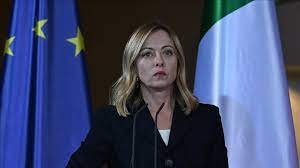
Prime Minister Giorgia Meloni, addressing the media for the first time on Italy’s exit from the BRI, emphasized the need to enhance trade and economic ties with China despite the decision to disengage from the initiative. “The (BRI) tool has not produced the results that were expected,” stated Meloni, signaling a rethinking of Italy’s engagement strategy.
Italy’s initial participation in the BRI in 2019, disregarding U.S. cautionary warnings regarding potential technological control and infrastructure implications, marked a departure from other major Western nations. However, since assuming office last year, Meloni has expressed a desire to terminate the agreement championed by Chinese President Xi Jinping.
Informing Beijing of the decision, an Italian government source revealed that Rome had sent a letter, signaling its non-renewal of the 2019 accord that expires in March 2024. China’s Foreign Ministry, while affirming the BRI’s global influence, refrained from specifically addressing Italy’s withdrawal, condemning any criticism that could impair Belt and Road cooperation.
Italian statistics revealed an asymmetry in trade benefits following the BRI engagement. Despite hopes for a trade surge, Italian exports to China witnessed a modest rise while Chinese exports to Italy surged substantially, raising questions about the anticipated benefits of the agreement.
Highlighting Italy’s upcoming presidency of the G7 in 2024, officials acknowledged the challenges in maintaining closer ties with China compared to other G7 nations that were never part of the BRI. Italy’s shift away from the initiative aligns with its efforts to prioritize relations with NATO and strengthen ties with the United States, as indicated by Meloni’s commitment to President Joe Biden regarding Italy’s exit from the BRI.
While signaling doubts about the pact, successive Italian governments had previously limited Chinese influence over Italian companies, raising concerns and placing constraints on proposed takeovers. Despite the withdrawal, Italy seeks to uphold strategic relationships, with Foreign Minister Antonio Tajani’s recent visit to Beijing and President Sergio Mattarella’s scheduled visit to China in the upcoming year.
As Italy navigates this recalibration of its relationship with China, the withdrawal from the BRI reflects a broader reassessment of trade alliances and geopolitical priorities within the intricate web of global diplomacy.
Sources By Agencies
