


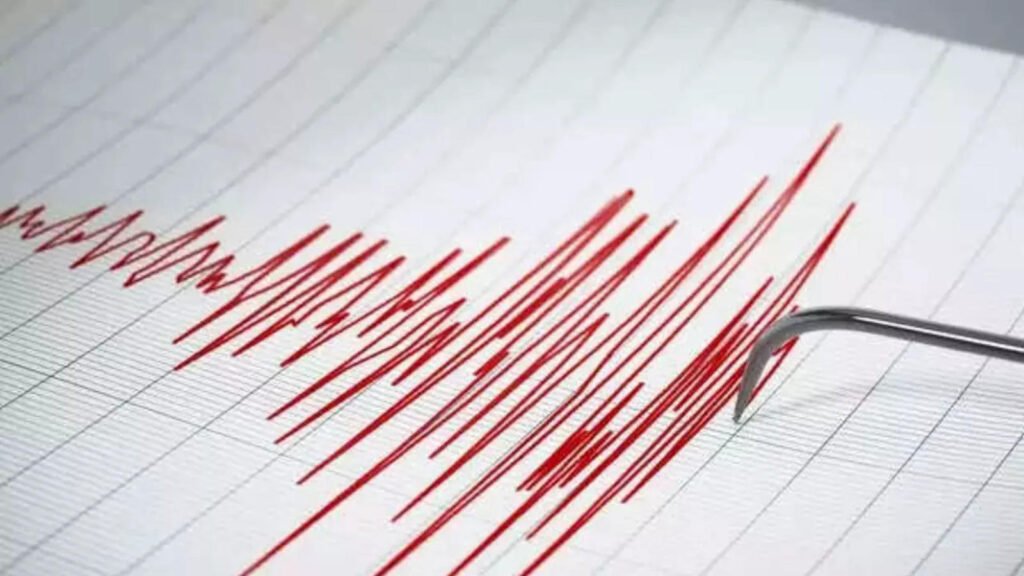
In a seismic event that shook the region, Nepal experienced a magnitude 6.1 earthquake on Sunday, with its epicenter situated in the Dhading district, near the capital city of Kathmandu. Fortunately, initial reports indicate that there have been no casualties or extensive damage caused by this earthquake.
The National Earthquake Monitoring and Research Centre promptly recorded the earthquake, which occurred at 7:39 am local time. It was felt not only in Kathmandu but also in other districts within the Bagmati and Gandaki provinces. The promptness of the earthquake monitoring and research center’s response showcases the nation’s preparedness for such natural disasters.
Earthquakes are a relatively common occurrence in Nepal, a country geographically situated where the Tibetan and Indian tectonic plates converge. This tectonic collision results in an accumulation of immense pressure over time, leading to periodic seismic events. Every century, these plates move approximately two meters closer to each other, releasing accumulated pressure in the form of earthquakes.
The most severe earthquake in recent history occurred in April 2015 when a devastating 7.8 magnitude quake, followed by numerous aftershocks, claimed the lives of approximately 9,000 individuals. The destructive impact of that disaster underscored the critical importance of earthquake preparedness and management in Nepal.
Government assessments have revealed that Nepal ranks as the 11th most earthquake-prone nation worldwide, making earthquake resilience a crucial aspect of the nation’s emergency and disaster response systems. Although this recent event did not result in significant damage, it serves as a reminder of the ever-present risk of seismic activity in the region and the necessity for ongoing preparedness and mitigation efforts.
As Nepal continues to build its resilience against earthquakes and enhance its disaster response mechanisms, it remains committed to minimizing the potential impact of future seismic events and safeguarding the safety and well-being of its citizens.
Sources By Agencies
