


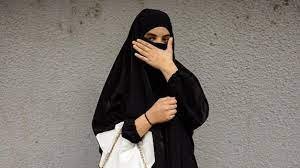
The United Nations has spoken out against France’s recent decision to prohibit its Olympic athletes from wearing hijabs during the upcoming 2024 Paris Games. The UN’s stance underscores the importance of respecting women’s freedom to decide their attire and raises questions about the balance between religious expression and secularism in sports.
Marta Hurtado, spokeswoman for the United Nations rights office, expressed the organization’s strong opposition to imposing dress codes on women. “No-one should impose on a woman what she needs to wear or not wear,” Hurtado stated in response to the announcement made by French sports minister Amelie Oudea-Castera.
France’s decision to ban headscarves during the 2024 Paris Olympics aligns with the country’s stringent secularism rules, which advocate for the separation of religion and public life. Minister Oudea-Castera explained that the government’s stance extends to disallowing the display of religious symbols during sporting events, emphasizing neutrality in public services. She remarked, “The France team will not wear the headscarf.”
While Marta Hurtado did not directly address the minister’s comments, she highlighted the importance of adhering to international agreements. She pointed out that the international Convention on the Elimination of All Forms of Discrimination Against Women obliges state parties, including France, to modify cultural or social norms rooted in gender-based notions of inferiority or superiority.
Hurtado clarified that discriminatory practices against any group could have adverse consequences. She stressed that restrictions on religious expressions, such as clothing choices, should only be acceptable in specific circumstances related to public safety, public order, public health, or moral concerns and must be both necessary and proportionate.
France has a history of regulations regarding religious symbols in public spaces, including bans on “ostentatious” religious symbols in state schools and for civil servants. In 2010, France enacted a law prohibiting full-face coverings, and more recently, in June, the country’s Council of State upheld a ban on women footballers wearing the hijab.
The decision to restrict athletes from wearing hijabs at the 2024 Paris Olympics has reignited a global conversation about the balance between religious freedom and secularism, particularly in the context of international sports events. The United Nations’ statement emphasizes the importance of safeguarding women’s choices in matters of dress while navigating complex discussions on cultural and religious diversity in sports.
Sources By Agencies
