


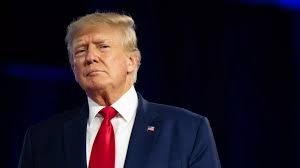
Donald Trump Jr., the son of former President Donald Trump, fell victim to a malicious hack of his social media account on X, formerly known as Twitter. The breach led to a string of offensive tweets and a shocking false announcement of his father’s demise, prompting widespread reactions and disbelief across the social media landscape.
The hack commenced with a tweet at 8:25 a.m. from Don Jr.’s account, falsely asserting, “I’m sad to announce, my father Donald Trump has passed away. I will be running for president in 2024.” This startling message was swiftly followed by a barrage of clearly hacked posts, including one proclaiming, “North Korea is about to get smoked.” Another tweet feigned a conversation between Don Jr. and the late Jeffrey Epstein, despite Epstein’s passing in 2019.
The fake news of Donald Trump’s death immediately stirred shock and confusion among social media users, who speculated that Don Jr.’s account had been compromised. The term “Hacked” began trending as users discussed the unsettling situation.
To quell concerns about his well-being, former President Donald Trump took to his own social media platform, Truth Social, at 8:46 a.m., more than 30 minutes after the false death announcement, to share an unrelated message and confirm that he was alive and unharmed.
The initial report of the hack came from Raheem Kasam of The National Pulse and was later confirmed by Donald Trump Jr.’s team. The false news of the former president’s passing was categorically debunked as entirely untrue.
In addition to the fake death announcement, the hackers deployed derogatory comments targeting X owner Elon Musk and employed offensive language directed at President Joe Biden. The use of racist language in one tweet potentially violated X’s terms of service, raising the prospect of actions against the compromised account.
The incident highlights the vulnerabilities of high-profile social media accounts and the potential for false information to rapidly spread in today’s digital age. It also underscores the critical need for enhanced cybersecurity measures to safeguard personal and public figures’ online presence.
