


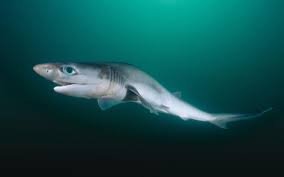
In a startling discovery off the coast of Brazil, marine biologists have detected high levels of cocaine in sharks, raising questions about the drug’s impact on these marine predators. A recent study conducted on 13 Brazilian sharpnose sharks from waters near Rio de Janeiro revealed alarming concentrations of cocaine in their muscles and livers.
The presence of cocaine in these sharks is puzzling, with scientists still uncertain about the exact source of the drug. Theories suggest that the cocaine could be originating from illegal drug production facilities whose runoff enters the ocean or from untreated sewage containing the drug excreted by users. Another possibility is that the sharks may have ingested cocaine accidentally when it was lost or discarded by drug smugglers. However, experts note that such scenarios are less common in Brazil compared to regions like Mexico and Florida, where drug trafficking is more prevalent.
The study found “chronic exposure” to cocaine among the sharks, with concentrations up to 100 times higher than previously recorded in other marine animals. Notably, every sample from the sharks tested positive for cocaine, with 92 percent of muscle samples and 23 percent of liver samples also showing positive results for benzoylecgonine, a key metabolite of the drug.
Dr. Enrico Mendes Saggioro, an ecotoxicologist involved in the research, indicated that while the cocaine is likely harmful to the sharks, the full extent of its impact remains unclear. There is concern that the drug could be affecting the sharks’ behavior, possibly making them more erratic and aggressive, similar to effects observed in other animals exposed to cocaine. Furthermore, there is speculation that the drug might impair their vision and hunting abilities.
The study, which involved dissecting the sharks and analyzing their organs, marks the first time cocaine has been identified in free-ranging sharks. The researchers emphasize that further studies are needed to understand the long-term effects of cocaine exposure on these marine predators and to explore possible solutions to mitigate the impact of drug contamination in the ocean.
Sources By Agencies
