


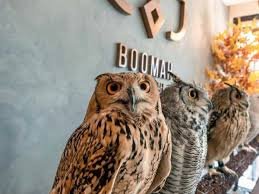
In a first for the Middle East, Abu Dhabi has introduced its inaugural owl cafe, Boomah Cafe, sparking a wave of controversy and concern over animal welfare.
Inspired by the popular Japanese owl cafes, Boomah Cafe allows patrons to interact closely with nine resident owls, learning about their species and even holding them for a fee of 70 Dirhams (approximately ₹1500). The cafe’s owner, Mohamed Al Shehhi, defended the establishment, emphasizing that the owls’ well-being is a top priority. He explained that the cafe opens at 2 PM daily, ensuring the birds have ample rest and freedom to move around after closing.
Among the owls is Venus, an eight-year-old Tawny Owl who, due to a congenital wing disability, cannot survive in the wild. According to Al Shehhi, Venus and other disabled owls are cared for by trained staff at Boomah, living comfortably despite their limitations.
The cafe gained widespread attention after videos showcasing the owl interaction experience went viral on social media. However, the publicity was met with strong backlash online, with critics denouncing the cafe as promoting animal cruelty and exploitation.
“The owls should be free unless they need rehabilitation and are being prepared for release,” commented one user, reflecting a common sentiment echoed across social platforms. Others expressed outrage at the use of animals for profit and entertainment, calling for an end to such practices.
Responding to the outcry, Al Shehhi reiterated that Boomah Cafe operates with strict protocols to ensure the owls’ welfare, including an air-conditioned environment and supervised interaction sessions. Despite these assurances, many argued that even well-intentioned captivity for animals remains ethically questionable.
Critics emphasized that injured or disabled wildlife should ideally be rehabilitated in sanctuaries and used solely for educational purposes, rather than being commodified as attractions for public amusement.
As debates continue to unfold online, the controversy surrounding Boomah Cafe serves as a stark reminder of the ongoing ethical dilemmas surrounding animal tourism and entertainment ventures globally. Advocates for animal rights urge greater scrutiny and regulation to safeguard wildlife from exploitation in commercial ventures.
Sources By Agencies
